Fr. Manuel João, comboni missionary
Sunday Reflection
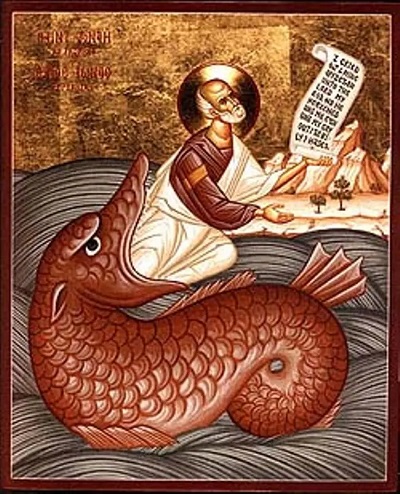
from the womb of my whale, ALS
Our cross is the pulpit of the Word
25th Sunday in Ordinary Time (B)
Mark 9:30-37: “To be the very last, and the servant of all”
The announcement between the road and the home
The Word of God this Sunday returns to the theme of the death and resurrection of Jesus. It is the second time that Jesus announces to his disciples the tragic event of his death, which will mark his messianic role. The first time, he did this near Caesarea Philippi, in pagan territory (8:31). Today, he repeats this announcement as they were passing through Galilee (9:31). The third time, he will do so on the road to Jerusalem (10:32-34). Three times, to emphasise its importance.
The reaction of the apostles to this announcement is, every time, one of misunderstanding: “But they did not understand what he meant and were afraid to ask him.” This misunderstanding is highlighted by the evangelist, who each time reports an episode where the apostles behave in a way completely contrary to what Jesus is telling them. The first time, Peter rebukes him for this unheard-of prediction, provoking a strong reaction from Jesus, who calls him “Satan.” The second time (today), the apostles argue among themselves about who is the greatest. The third time, James and John will ask Jesus to sit one at his right hand and the other at his left, provoking the indignation of the other ten. To this misunderstanding and stubbornness, Jesus responds each time with a catechesis: the first time on the cross; the second (today) on humility; the third time on service.
How can such stubbornness be explained? Saint Mark does not present an idealised image of the apostles. Rather, he highlights their limitations and weaknesses. Jesus did not choose perfect people, but ordinary people, like us. Saint Paul will even say that God chose those who are low in society to carry out his plan: “Brothers and sisters, think of what you were when you were called. Not many of you were wise by human standards; not many were influential; not many were of noble birth…so that no one may boast before him” (1 Corinthians 1:26-29).
The difficulty the apostles had in following the Lord comforts us and strengthens our hope that the grace of God can work in us as it did in the lives of the apostles.
Points for reflection
1. Jesus makes the three announcements while walking. Saint Mark likes to present Jesus in motion, on the road. He gives his teaching while on the move. He is an itinerant rabbi and meets us on the roads of life. He approaches and walks with us as a travelling companion, often without being immediately recognised, as with the two on the road to Emmaus. The sign of his presence is the enlightened interpretation of painful events in life and the warmth he stirs in our hearts.
2. Jesus “was teaching his disciples,” revealing God’s plan to them. “But they did not understand what he meant and were afraid to ask him.” Why were they afraid to ask him? Because they did not want to understand! This happens to us too: we avoid asking him questions about certain situations in our lives because we fear the answer. We prefer to pretend not to understand, as we are not ready to act accordingly.
3. “When he was in the house, he asked them….” Jesus leaves the house to walk the roads and meet people, but he also enjoys returning home to savour the intimacy with his followers. There, they discuss the day’s events, and the disciples ask for further explanations about what they haven’t understood (not this time, though!). Jesus’ house (which is Peter’s house!) is open to those who come to listen to him or to be healed. Jesus allows himself to be interrupted and does not set strict appointment times. He also loves visiting the homes of friends and those who invite him, whether they are Pharisees or tax collectors. Sometimes, he even invites himself, as with Zacchaeus. This habit of his has stuck. Indeed, in the Book of Revelation, he says: “Here I am! I stand at the door and knock. If anyone hears my voice and opens the door, I will come in and eat with that person, and they with me” (Revelation 3:20).
Jesus’ house is the place of the Christian community’s gathering. Unfortunately, today it is not well attended. Perhaps it’s because there is a lack of warmth, and people don’t feel at home. Perhaps it’s time to “go out to the streets and alleys of the town” (Luke 14:21), yes, but also to open our homes, to invite and be invited. Alas, this is not easy in a society where everyone tends to withdraw into their own shell!
4. “What were you arguing about on the way?” But they remained silent. On the way, they had argued about who was the greatest.” Does something similar not happen among us? We all seek a little spot in the sun, a place of esteem and recognition from others. We all want to excel at something. And our psyche is very inventive in finding ways to do so, even in situations of unhappiness, attracting others’ compassion! That’s why we remain silent. We’d be ashamed to admit it. But why not ask ourselves personally: where do I try to outshine others? It would be a good opportunity to root out the snake of our vanity.
5. “Sitting down, Jesus called the Twelve and said….” The Master takes his seat, calls them, and speaks to them. This time he does so calmly and patiently, unlike last Sunday with poor Peter, when Jesus seemed to have lost his temper! Well then, do you want to know who is the greatest? “The last of all and the servant of all!” So, you must go to the back of the line! And to make it perfectly clear, he accompanies his words with an action: “Taking a little child, he set him before them. Taking him in his arms, he said to them: ‘Whoever welcomes one of these little children in my name welcomes me….’” The child was the symbol of smallness, of someone who counts for nothing among the “great” of the household. Today, however, perhaps Jesus would place someone else among us. Who? Maybe one of those he speaks about in Matthew 25: “Truly I tell you, whatever you did for one of the least of these brothers and sisters of mine, you did for me!”
Fr. Manuel João Pereira Correia, mccj
